Home Blood Test: Revolutionizing Healthcare Access and Diagnostics
Introduction
In the rapidly evolving healthcare landscape, home blood tests have emerged as a game-changer, offering individuals greater control and accessibility over their health monitoring. This innovative approach allows people to perform medical-grade blood testing in the comfort of their own homes, eliminating the need for frequent clinic or hospital visits. The concept behind home blood tests is simple yet profound: empower patients with the ability to take an active role in managing their well-being by providing easy, quick, and accurate diagnostic tools.
This article delves into the intricacies of home blood testing, exploring its historical development, global impact, technological advancements, regulatory frameworks, and its potential to reshape healthcare delivery. By examining these aspects, we aim to provide a comprehensive understanding of how home blood tests are transforming patient experiences and contributing to a more efficient healthcare system.
Understanding Home Blood Test: Unveiling the Basics
Definition and Core Components
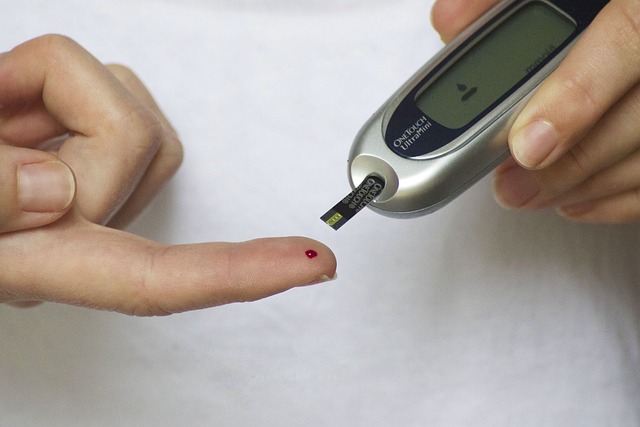
A home blood test is a diagnostic procedure that enables individuals to collect and analyze a small sample of their blood at home using user-friendly, point-of-care devices. These tests typically measure various health markers, such as glucose levels, cholesterol, hormone levels, or even detect the presence of specific diseases or markers for impending health issues.
The core components of a home blood test include:
- Blood Sampling: Individuals use sterile lancets to draw a small drop of blood, usually from a finger prick, similar to traditional blood tests.
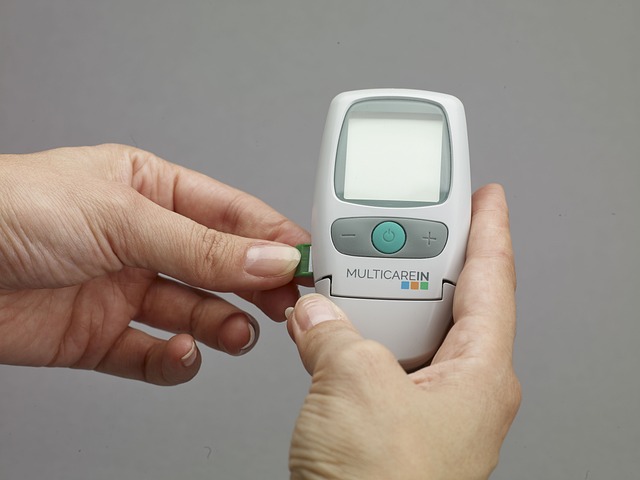
- Test Strip or Cartridge: These contain chemical reagents that interact with specific components in the blood sample, generating a colorimetric response proportional to the concentration of the measured parameter.
- Reader Device: A handheld or online reader interprets the test strip's results by measuring the change in color and converting it into a digital readout.
- Personalized Results Interpretation: The device provides users with immediate feedback, often including risk assessments and recommendations for further action or consultation.
Historical Context and Evolution
The concept of home blood testing has evolved significantly over time, driven by advancements in technology and a growing demand for personalized healthcare. Early attempts at home diagnostics involved complex laboratory equipment, making them impractical for home use. However, the development of simpler, more affordable devices in the late 20th century laid the groundwork for today's home blood tests.
Key milestones include:
- 1970s: The introduction of glucose monitoring systems for diabetics marked the beginning of at-home health monitoring.
- 1980s-1990s: Advancements in technology led to the development of more portable and user-friendly test strips, expanding their applications beyond glucose testing.
- 2000s: The rise of online healthcare platforms and mobile apps further facilitated home blood testing, allowing for remote results interpretation and easy access to medical professionals.
- Present Day: Modern home blood tests offer a wide range of parameters, from routine health checks to specialized tests for specific conditions, all accessible via convenient at-home sampling and advanced digital technology.
Global Impact and Trends
Geographical Disparities and Accessibility
Home blood tests have had a profound impact worldwide, but their adoption and availability vary significantly across regions. Developed countries, such as the United States, Canada, and many European nations, have seen widespread integration of these tests into routine healthcare practices. This is largely due to advanced healthcare infrastructure, higher internet penetration rates, and favorable regulatory environments.
In contrast, developing countries face unique challenges, including limited access to quality healthcare, lower internet connectivity, and economic constraints. However, home blood tests are gradually gaining traction in these regions as well, driven by increasing awareness, government initiatives, and partnerships between healthcare providers and technology companies. For instance, India and certain African nations have seen successful pilot programs for at-home testing, particularly for chronic disease management and prenatal care.
Market Dynamics and Growth
The global home blood testing market has experienced substantial growth over the past decade, driven by factors such as aging populations, increasing prevalence of chronic diseases, and rising healthcare costs. According to a 2022 report by Research and Markets, the market size was valued at USD 7.5 billion in 2021 and is projected to grow at a CAGR of 7.8% from 2022 to 2030.
Key trends shaping the industry include:
- Diversification of Test Parameters: The range of tests available continues to expand, catering to various health concerns, including cardiovascular diseases, liver function disorders, and hormone imbalances.
- Digital Integration: The integration of home blood testing with mobile apps and online platforms enhances user experience, facilitates remote monitoring, and enables easier data sharing with healthcare providers.
- Point-of-Care Testing (POCT) Expansion: POCT devices, which include home blood tests, are gaining popularity in clinical settings due to their speed, convenience, and cost-effectiveness.
- Telemedicine Integration: The rise of telemedicine, coupled with at-home testing, allows for remote consultations and follow-ups, making healthcare more accessible, especially in rural areas.
Economic Considerations: Market Dynamics and Impact
Market Segmentation and Key Players
The home blood testing market can be segmented based on several criteria:
- Test Type: Glucose monitoring, lipid profiling, pregnancy tests, hormone tests, etc.
- End User: Consumers, healthcare providers, research institutions, and clinical laboratories.
- Technology: Traditional chemical analysis, point-of-care devices, and online/mobile testing platforms.
Leading companies in this space include:
- Abbott Laboratories: Known for their Accu-Chek glucose monitoring systems and a diverse portfolio of at-home diagnostic products.
- Roche Diagnostics: Offers a wide range of POCT solutions, including home blood tests for various health markers.
- Alere (now part of Abbott): Specializes in immunoassay technology for at-home testing, particularly in the areas of respiratory and cardiovascular diseases.
- iHealth (a subsidiary of NuvaVision): Provides affordable, user-friendly at-home testing kits for glucose, vitamin D, and other health markers.
Revenue Streams and Cost Dynamics
Revenue streams in the home blood testing market are diverse:
- Retail Sales: Over-the-counter sales of test kits to consumers through pharmacies, supermarkets, and online retailers.
- Healthcare Provider Reimbursement: Medical professionals may bill insurance providers or patients for at-home tests they prescribe, particularly for follow-up monitoring.
- Research and Development (R&D) Services: Companies offering custom testing solutions and R&D partnerships with pharmaceutical firms or research institutions.
The cost of home blood tests varies widely depending on the complexity of the test, technology used, and target market:
- Simple glucose monitors can be as low as $10-$20 per test strip.
- Advanced POCT devices for multiple parameters may cost several hundred dollars, with ongoing maintenance and calibration fees.
- Customized testing services for research or clinical trials can command premium prices based on complexity and volume.
Economic Benefits and Challenges
Home blood tests offer several economic advantages:
- Reduced Healthcare Costs: By enabling early detection and management of health issues, these tests can potentially lower healthcare expenses associated with chronic disease treatment and emergency room visits.
- Improved Patient Outcomes: Accurate, timely diagnostics lead to better patient outcomes, reducing the risk of complications and hospitalizations.
- Convenience and Accessibility: At-home testing eliminates the need for frequent clinic or hospital visits, particularly for individuals with limited mobility or those living in remote areas.
However, challenges include:
- Regulatory Compliance: Ensuring test accuracy, safety, and quality requires rigorous regulatory oversight, which can be a significant barrier to market entry.
- Reimbursement Policies: Healthcare systems' reimbursement policies vary across regions, affecting the affordability and adoption of home blood tests.
- Data Security and Privacy: As at-home testing generates sensitive health data, ensuring secure storage and transmission is crucial to maintain patient privacy.
Technological Advancements: Driving Innovation
Simplifying User Experience
One of the key areas of technological focus in home blood testing is enhancing user experience and improving test accuracy. Manufacturers have made significant strides in achieving these goals through several innovative approaches:
- Easy-to-Use Devices: Modern test strips and readers incorporate smart design elements, such as digital displays, built-in instructions, and audio cues, making the testing process more intuitive.
- Miniaturization: Point-of-care devices are becoming smaller and more portable, allowing for convenient storage and travel-friendly designs.
- Integrated Apps: Mobile apps linked to at-home testing provide step-by-step guidance, offer educational content, and enable users to track their health trends over time.
Advanced Test Technologies
Technological advancements have also led to the development of more sophisticated test technologies:
- Nanotechnology: Nanosensors in test strips can detect extremely low concentrations of analytes, enabling highly sensitive and specific testing.
- Microfluidics: Microchip-based systems integrate multiple test reactions on a single chip, reducing sample volume requirements and increasing testing speed.
- Artificial Intelligence (AI): AI algorithms analyze test results and provide personalized recommendations, improving diagnostic accuracy and patient care.
Remote Monitoring and Telehealth Integration
The integration of home blood tests with telemedicine and remote monitoring systems is a significant technological trend:
- Real-Time Data Sharing: At-home testing devices can transmit results directly to healthcare providers' dashboards, enabling remote monitoring and timely interventions.
- Virtual Consultations: Patients can discuss test results and receive medical advice during virtual consultations, eliminating the need for in-person visits.
- Predictive Analytics: AI-powered systems analyze patient data from home tests over time, identifying patterns that may indicate impending health issues, allowing for proactive care.
Regulatory Frameworks: Ensuring Safety and Quality
Global Regulations and Standards
Home blood testing is subject to stringent regulatory oversight worldwide to ensure product safety, accuracy, and quality. Key regulatory bodies include:
- US Food and Drug Administration (FDA): Regulates medical devices, including at-home diagnostic tests, through the Medical Device Safety and Performance Act.
- European Medicines Agency (EMA): Sets standards for the approval and monitoring of in vitro diagnostic devices in the European Union.
- International Organization for Standardization (ISO): Publishes international standards for quality management systems, ensuring consistent test performance globally.
Key Considerations for Manufacturers
Regulatory compliance involves several critical steps:
- Pre-market Testing: Products must undergo rigorous clinical trials and laboratory testing to demonstrate safety, accuracy, and reliability.
- Good Manufacturing Practices (GMP): Adherence to GMP guidelines ensures consistent product quality during manufacturing.
- Labeling and User Instructions: Clear, concise labeling with easy-to-follow instructions is essential for user safety and correct test performance.
- Post-market Surveillance: Manufacturers must monitor product performance in real-world settings and report any adverse events or product failures to regulatory authorities.
Regional Variations
Regulatory requirements can vary across regions, affecting manufacturers' strategies:
- US vs. EU: The FDA has a more stringent pre-market approval process, while the EMA focuses on post-market surveillance and risk management.
- Low- and Middle-Income Countries: Regulatory frameworks may be less robust, presenting challenges for maintaining product quality and safety standards.
Market Trends and Future Outlook
Growing Demand and Adoption
The home blood testing market is projected to grow significantly in the coming years, driven by several factors:
- Aging Population: The global aging population increases the demand for at-home testing for chronic disease management.
- Telehealth Expansion: The rise of telemedicine during the COVID-19 pandemic has accelerated the adoption of remote monitoring and at-home testing.
- Consumer Awareness: Growing health consciousness and access to information have made consumers more receptive to self-testing options.
Emerging Trends
Several emerging trends are shaping the future of home blood testing:
- Personalized Medicine: As genomic data becomes more accessible, at-home tests will likely integrate genetic information for personalized health monitoring and treatment recommendations.
- Wearable Technology: Integration with wearable devices like fitness trackers and smartwatches may enable continuous health monitoring, including blood glucose levels.
- Digital Health Platforms: Centralized digital platforms for managing home test results, tracking health trends, and connecting patients with healthcare providers are gaining popularity.
Challenges and Considerations
Despite its growth potential, the market faces challenges:
- Clinical Validation: Ensuring the clinical validity of at-home tests, especially for complex health markers, remains a priority to gain consumer trust.
- Data Privacy Concerns: As more sensitive health data is generated, protecting patient privacy and ensuring secure data storage and transmission will be critical.
- Access and Affordability: Making home blood testing accessible and affordable to diverse populations, including underserved communities, is an ongoing challenge.
Conclusion
Home blood testing represents a significant advancement in healthcare, offering improved accessibility, convenience, and efficiency for patients and healthcare providers alike. Technological innovations, regulatory frameworks, and market dynamics are all converging to shape the future of this industry. As at-home testing continues to evolve, it holds the potential to revolutionize personalized health management, empower individuals to take control of their well-being, and transform traditional healthcare delivery models.
May 1, 2025
Home blood test
Home blood test kits offer a convenient and accessible way for individuals to take control of their.......
Read more →
May 1, 2025
Home blood test
Home blood tests offer a convenient, accessible way to monitor health, providing insights into chole.......
Read more →
May 1, 2025
Home blood test
Home blood test kits offer convenient, private, and timely health monitoring, but may lack lab accur.......
Read more →
May 1, 2025
Home blood test
Home blood tests offer a convenient, user-friendly way for individuals to monitor critical health ma.......
Read more →
April 2, 2025
Home blood test
The growing popularity of home blood tests is driven by demand for convenient, private, and accessib.......
Read more →
April 2, 2025
Home blood test
Home blood tests are transforming healthcare by offering convenient, private, and quick methods for.......
Read more →
March 31, 2025
Home blood test
Home blood test services offer convenient and accessible health checks directly from your home, elim.......
Read more →
March 31, 2025
Home blood test
Home blood test services offer a convenient, confidential, and efficient way to access medical testi.......
Read more →
March 31, 2025
Home blood test
The home blood test kit revolution is transforming personal healthcare by offering convenient, affor.......
Read more →
March 31, 2025
Home blood test
Home blood tests offer a convenient, private, and often affordable way to monitor personal health, w.......
Read more →
March 31, 2025
Home blood test
Home blood test kits provide a convenient, easy, and quick way to monitor personal health without fr.......
Read more →
March 29, 2025
Home blood test
Home blood tests are transforming healthcare accessibility by offering a convenient, private, and ef.......
Read more →
March 29, 2025
Home blood test
Home blood tests have transformed healthcare by providing convenient and affordable access to vital.......
Read more →
March 29, 2025
Home blood test
Home blood test services offer a discreet, convenient, and user-friendly way for individuals to acce.......
Read more →
March 29, 2025
Home blood test
Private home blood tests are transforming healthcare by providing individuals with convenient access.......
Read more →
March 29, 2025
Home blood test
Home blood tests have transformed personal health monitoring by offering convenient, accessible, and.......
Read more →
March 29, 2025
Home blood test
Home blood tests offer a convenient, accessible way for individuals to take charge of their health b.......
Read more →
March 27, 2025
Home blood test
Home blood tests offer a convenient way to monitor health markers like cholesterol, blood sugar, and.......
Read more →
March 27, 2025
Home blood test
Home blood tests have revolutionized personal health monitoring by providing convenient access to di.......
Read more →
March 27, 2025
Home blood test
Home blood testing offers a convenient way for individuals to monitor their health privacy without f.......
Read more →
March 27, 2025
Home blood test
Home blood test kits are gaining popularity as people seek greater control over their health, offeri.......
Read more →
March 27, 2025
Home blood test
Home blood test services provide a convenient, accessible, and safe way to monitor your health from.......
Read more →
March 27, 2025
Home blood test
Home blood test services, accessible via online booking platforms, are transforming medical diagnost.......
Read more →
March 24, 2025
Home blood test
Home blood test kits are revolutionizing healthcare by providing individuals with convenient, privat.......
Read more →
March 24, 2025
Home blood test
Home blood test kits revolutionize personal health monitoring by offering convenient, private testin.......
Read more →
March 24, 2025
Home blood test
Home blood tests offer a convenient, accessible way to monitor health in the comfort of your home us.......
Read more →
March 22, 2025
Home blood test
Home blood tests offer a convenient way to monitor health markers like cholesterol, sugar, and vitam.......
Read more →
March 22, 2025
Home blood test
Home blood tests revolutionize healthcare by offering convenient, private, and affordable ways to mo.......
Read more →
March 22, 2025
Home blood test
Home blood tests revolutionize healthcare accessibility by enabling individuals to monitor vital hea.......
Read more →
March 21, 2025
Home blood test
Home blood tests are revolutionizing healthcare accessibility by allowing individuals to monitor hea.......
Read more →
March 21, 2025
Home blood test
Home blood tests offer a convenient and accessible way to monitor various aspects of health. Tailore.......
Read more →
March 21, 2025
Home blood test
Home blood test kits revolutionize personal health monitoring by offering convenient, at-home assess.......
Read more →
March 21, 2025
Home blood test
Home blood test services revolutionize healthcare accessibility by allowing individuals to conduct m.......
Read more →
March 20, 2025
Home blood test
Choosing a reputable home blood test service offers numerous advantages such as accurate results, co.......
Read more →
March 18, 2025
Home blood test
Home blood tests offer a convenient, non-invasive way for individuals to actively manage their healt.......
Read more →
March 17, 2025
Home blood test
Home blood test services offer unparalleled convenience, accessibility, and privacy for individuals.......
Read more →
March 17, 2025
Home blood test
Home blood test services are revolutionizing healthcare accessibility by allowing individuals to con.......
Read more →
March 17, 2025
Home blood test
Home blood tests are revolutionizing personal health monitoring by offering convenient access to cri.......
Read more →
March 14, 2025
Home blood test
Home blood tests are revolutionizing healthcare by offering convenient, affordable, and accurate hea.......
Read more →